
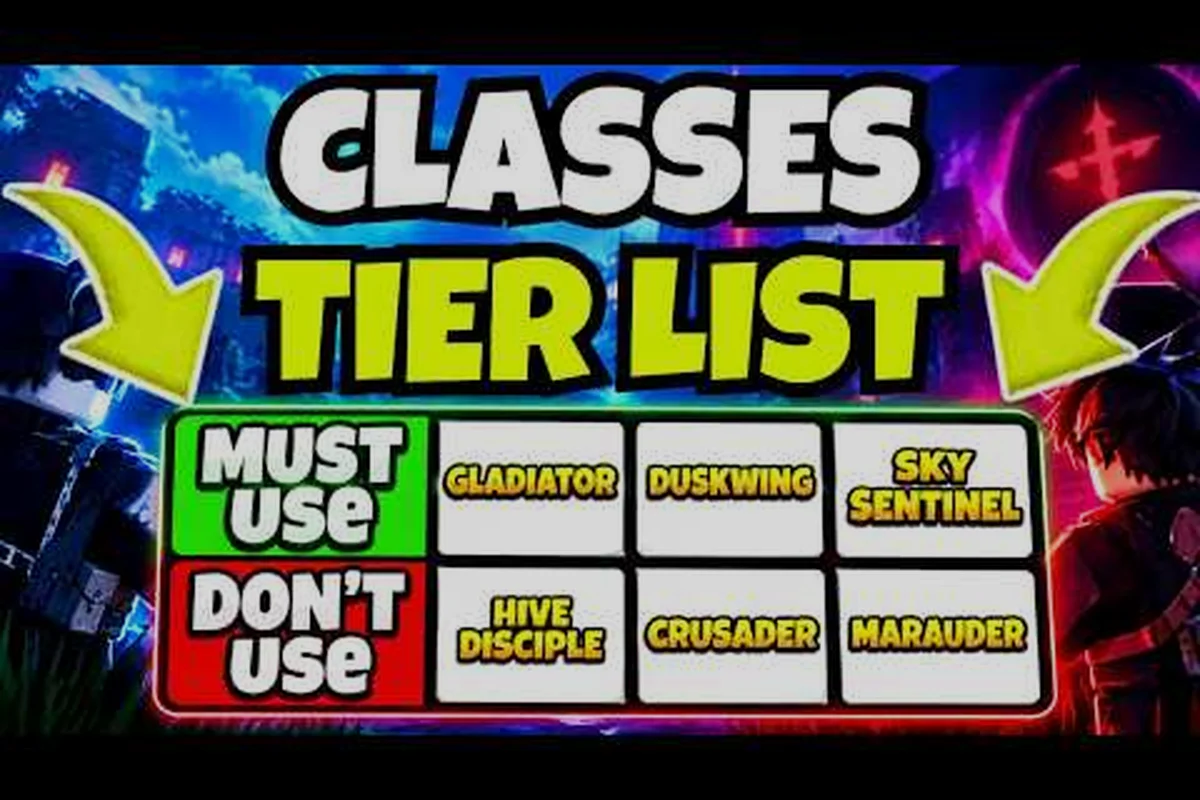
Picking the right The Veil melee classes matters more than grinding Sins and Offerings on the wrong kit, because each of the eight base classes costs real progression currency and forces a respec if you regret the choice. Gladiator, Crusader, Marauder and Nightshade are the four melee options, and each one plays fundamentally differently — from the taunt-and-shield fantasy of the Crusader tank to the burst-and-vanish rhythm of the Nightshade assassin. This guide ranks every melee class by role, breaks down the best The Veil beginner class option, and shows you where hybrids sit in the current meta.
The Veil Melee Class Roster at a Glance
The Veil ships eight base classes that you unlock by spending Sins and Offerings at class NPCs rather than by hitting a level threshold, and four of them are pure melee kits. Hybrid combinations of two base classes open later, but they cost roughly double the Sins and Offerings, so most players treat them as an endgame goal rather than a first unlock. The confirmed melee list, drawn from community testing, is Gladiator, Crusader, Marauder and Nightshade, and each fills a different archetype in the standard RPG trinity of tank, DPS and assassin.
| Melee Class | Primary Role | Playstyle | Unlock Cost Tier |
|---|---|---|---|
| Crusader | Tank | Shield-first, taunt-based frontline | Mid |
| Gladiator | Sustained DPS | Heavy weapon combos, lane control | Low |
| Marauder | Burst DPS | Aggressive gap-closers, high risk | High |
| Nightshade | Assassin | Stealth opener, one-shot windows | High |
| Cultist | Hybrid melee/support | Sustained damage with party buffs | Mid |
The Veil's melee roster covers every classic archetype, but the four pure melee classes spread across tank, sustained DPS, burst DPS and assassin roles. Cultist sits in melee range but reads more like a support hybrid because its kit includes party-facing buffs, and players who want a more straightforward starting class often branch into the The Veil class abilities overview before committing Sins to a specific tree.
Ranged and support options live in separate design space: Sky Sentinel is the dedicated ranged class, Verdant handles healing and crowd control, and Cyst Disciple is a DoT-based caster. None of those sit in melee range by default, which is why "melee" in The Veil maps cleanly onto the four pure melee classes plus Cultist. If you want a side-by-side look at every kit, the full The Veil class list covers all eight base classes plus the hybrid combinations.
How Melee Classes Compare to Ranged and Support
The Veil ranged classes (Sky Sentinel primarily) trade melee damage for safe poke and zone control, and they shine in The Maze because they can kite the night-only horde from range. Support classes (Verdant and Cultist in a support role) keep the party alive through healing and debuffs, but they rarely top the damage meters. Melee sits between the two extremes — closer to the action, higher sustained damage, but more vulnerable to interrupts and Sanity bar pressure.
Players who are still deciding between a melee and ranged first class should think about how often they expect to play solo in The Maze, because ranged kits are much more forgiving of mistakes in that night-only dungeon. The order you spend Sins in and how each base class opens are both walked through in Jozu's hybrid class walkthrough.
The Veil Tank Classes: Crusader Frontline Build
Crusader is the only dedicated tank in the melee roster, and it is the answer for players who want a The Veil tank class that can hold a chokepoint while the rest of the party deals damage. The kit revolves around a shield, a taunt, and damage-reduction passives that scale with the enhancements you slot at the Blacksmith. Crusader is not flashy, but it is the safest pick for new players who are still learning Weaving combat and the Sanity bar timing.
| Crusader Node | Effect | Best For |
|---|---|---|
| Shield Bash | Stun + small damage | Interrupt priority targets |
| Taunt | Force aggro for 4 seconds | Protecting ranged allies |
| Bulwark | Flat damage reduction passive | Tank baseline |
| Consecration | Ground AoE, group heal | Sustained fights |
| Rallying Cry | Party-wide damage buff | Boss windows |
The Crusader tree rewards investment because its tank passives scale multiplicatively with enhancements, and the developers have confirmed that enhancements use Ichor and Silver rather than Sins. That separation matters: you can grind a Crusader tank through tank-specific enhancements while still saving Sins for a second class unlock. If you want the unlock walkthrough, the Crusader unlock guide covers the Sins and Offerings cost in detail.
Crusader is the strongest beginner melee class in a group because it forgives positioning mistakes and it controls aggro even when the rest of the party over-pulls. Solo Crusader is functional but slower, because the same kit that protects allies does not generate the burst damage you need to delete The Maze's night-only elites before they stack. Players who want to play solo should read the The Veil class for solo players breakdown before settling on Crusader as their first unlock.
When to Pick Crusader Over Gladiator
The tank-vs-DPS decision usually comes down to group size and your role in a clan. Crusader is the right call when you are running with a coordinated party that needs a frontline, or when you are progressing through the harder zones in The Pale where boss damage spikes hard. Gladiator is the right call when you are solo, farming Sins in The Maze, or running a hybrid build later on. Both classes use melee weapons, but Crusader's shield is a defensive option that Gladiator does not have.
Gladiator and Marauder: Sustained and Burst DPS
Gladiator is the most accessible The Veil melee class for new players because it sits in the middle of the kit complexity curve, it is the cheapest melee class to unlock, and it does not punish positioning as harshly as Marauder or Nightshade. The Gladiator tree focuses on heavy-weapon combos, bleeds and a passive that boosts damage the longer you stay in melee range. Community testing shows Gladiator is the most common "main" class among players who want a melee carry they can take into both PvE and PvP.
| Gladiator Node | Effect | Notes |
|---|---|---|
| Heavy Swing | High single-target damage | Main filler |
| Bleed | DoT stacks up to 5 | Strong vs bosses |
| Combo Mastery | Each hit in a combo adds damage | Rewards commit |
| War Shout | AoE damage + minor debuff | Group utility |
| Berserker | Bonus damage at low HP | Risk-reward passive |
Marauder is the burst-DPS counterpart to Gladiator, and it is the melee class most often compared to a glass cannon. Marauder trees lean on gap-closers, armor shred and short-window burst windows that delete priority targets in PvP. The community tier list The Veil class tier list consistently places Marauder in the top tier for PvP, but the same kit is harder to land in PvE because The Maze's horde fights reward sustained AoE rather than single-target burst.
How to Choose Between Gladiator and Marauder
Gladiator wins for players who split their time between PvE farming and casual PvP, and it is the recommended The Veil beginner class for melee players because its damage curve is forgiving. Marauder wins for players who want a high-skill ceiling and who plan to invest heavily in a second class so they can branch into a Marauder hybrid later. Hybrid classes are the current The Veil meta per community testing, and combining Marauder with a support or ranged base class usually beats one fully invested class because you keep both ability trees.
The trade-off is the Sins and Offerings cost, because hybrids are the most expensive unlock in the game and are not a realistic first pick. Treat the Marauder unlock as a long-term goal, and use Gladiator as the bridge class while you grind currency.
Nightshade: The Veil Assassin Class
Nightshade is the dedicated The Veil assassin class, and it is the most mechanics-heavy melee kit in the roster. The tree includes a stealth opener, a burst window that triggers from behind the target, and a short cooldown vanish that resets the burst. Nightshade is the top-rated PvP melee class on every community tier list, and it is the only melee class that can reliably solo kill named bosses in The Pale by abusing back-crit windows.
| Nightshade Node | Effect | Burst Window |
|---|---|---|
| Shadowstep | Stealth opener | Sets burst |
| Backstab | 2x damage from behind | Main burst |
| Vanish | Reset cooldowns, drop threat | Escape tool |
| Poison Edge | DoT on crit | Sustained pressure |
| Smoke Bomb | AoE blind, disengage | Group utility |
The Nightshade tree rewards players who already understand positioning and the Sanity bar, because the burst window is short and missing it means you spend the next 10 seconds in a duel with no defensive tools. New players who pick Nightshade as their first melee class usually burn out in The Maze, where the night-only horde punishes single-target burst and rewards sustained AoE. The honest recommendation is to level a Gladiator or Cultist first, then come back to Nightshade once you understand how Weaving combat works in practice.
Nightshade's biggest weakness is sustained PvE content, where Gladiator and Marauder both out-damage it on multi-target pulls. The class is at its best in PvP and in single-target boss fights where the burst window is enough to delete a phase. The hybrid angle matters here too: a Nightshade + Verdant hybrid keeps the burst window while gaining healing, which is one of the strongest hybrid setups the community has documented.
The Cultist Support Hybrid Option
Cultist is not a pure melee class, but it is the only other melee-ranged hybrid option, and it shows up on every "best support" list. Cultist's kit includes party-facing damage buffs, a small heal-over-time, and a melee-range sustained damage tree that lets it stay in the frontline without a shield. Players who want a The Veil support class that can also swing a weapon usually start with Cultist, then pair it with Crusader or Gladiator for a frontline-support hybrid. The Cultist class overview breaks down the full support tree in more detail.
Best The Veil Beginner Class for Melee Players
The Veil beginner class decision should prioritize survival and clear speed over peak damage, because new players are still learning how Weaving combat, the Sanity bar, and the Prestige system interact. For melee specifically, the recommendation is Gladiator as the first unlock, with Cultist as the alternate first unlock for players who want a support angle and Crusader as the third option for players who plan to group up from day one.
| Beginner Goal | First Melee Unlock | Why |
|---|---|---|
| Solo PvE farming | Gladiator | Sustained damage, easy combos |
| Group frontline | Crusader | Tank nodes, aggro control |
| Support angle | Cultist | Party buffs, healing |
| PvP carry | Marauder or Nightshade | Burst damage, mobility |
The currency cost matters here. Classes unlock through a combination of Sins and Offerings, with the cheaper base classes costing a few hundred of each and the expensive melee classes (Marauder, Nightshade) costing significantly more. Verdant, Gladiator and Cyst Disciple are typically the cheapest base classes to unlock, which is another reason Gladiator is the natural first melee pick. Once you have your first class, the Verdant unlock walkthrough is a useful reference for how the unlock NPC system works, even if you are not unlocking Verdant yourself.
How to Spend Sins and Offerings Wisely
The Veil's progression runs on five currencies: Sins and Offerings unlock classes and power, Ichor and Silver pay for Blacksmith enhancement, and Gems plus Fire Essence feed advanced enchanting. The biggest mistake new players make is dumping Sins into a hybrid unlock before they have a leveled base class, because the hybrid cost roughly doubles and the result is a half-built character rather than a strong one. Save hybrids for the 15th or 20th Prestige milestone, by which point you have the resources to fully invest in both base kits. The Veil currency breakdown is a good reference if you want to see the full resource map.
A practical first-week plan is to unlock Gladiator, spend the next few days farming Sins and Offerings in The Maze during its night window, and then use that currency to open a second base class (Crusader for tanks, Cultist for support, or Marauder for burst) before even thinking about hybrids. This pacing keeps you competitive in both solo and group content, and it leaves the hybrid meta for later.
Frequently Asked Questions
What is the best The Veil melee class for beginners?
Gladiator is the best The Veil melee class for beginners because it is the cheapest melee unlock, its combo-based kit is forgiving, and it scales well into both solo farming and group content. Players who want a support angle should consider Cultist as the alternate first unlock.
Which The Veil class is the best tank?
Crusader is the only dedicated The Veil tank class, and it is the recommended pick for players who want to frontline group content or solo The Maze at a slower but safer pace. The shield, taunt and damage-reduction passives make it the strongest chokepoint holder in the game.
Is Nightshade a good first class in The Veil?
Nightshade is a high-skill-ceiling The Veil assassin class that shines in PvP and single-target boss fights, but it is not recommended as a first unlock for new players. The burst window is short, and the class is punished hard in The Maze's sustained AoE fights. Level Gladiator or Cultist first, then return to Nightshade later.
How do hybrid classes work in The Veil?
Hybrid classes combine two base kits and keep both ability trees, which is why the current The Veil meta favors hybrids. The cost is roughly double the Sins and Offerings of a single class, so hybrids are best treated as a late-game unlock once you have the currency to fully invest in both trees.
Can I respec or change class in The Veil?
The Veil does not have a free respec, and unlocking a new class costs Sins and Offerings each time. The practical workaround is to unlock a second base class so you can swap between kits without losing your first investment, which is why most veteran players maintain at least two unlocked melee classes.